
The emotional orphanhood of contemporary youth as a symptom of the Resignation of the Adult and the Panic of Maturity
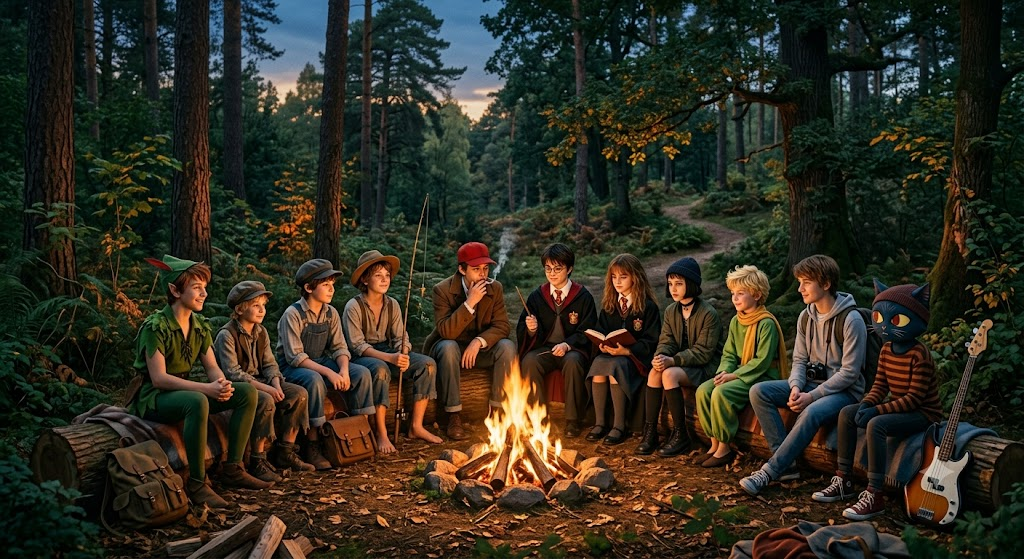
Sometimes I think a dog is like a child who refused to grow up so as not to lose faith in human beings, though it proves to be far too high a price to pay. The only human who perhaps did so, Peter Pan, paid a terrible price for it: amnesia, and with it, his very humanity. If the real or figurative orphans of the 19th century—such as Oliver Twist or Pelle—represented a helpless childhood in an adult world of pure perversion, crime, and selfishness, they did not enjoy the privilege of suffering an existential crisis. For them, the danger of maturity was not becoming a kind of hypocritical, domesticated idiot, but rather a criminal, a slave, or a corpse. Throughout the 20th century, however, narrative stopped throwing its youth into physical battles for survival to lock them inside their psychological conflicts, highlighting in all of them the trauma of moral exposure caused by the disappearance of the adult man...
Accessed 0 times